
Plumbing permits and licensing rules in South Carolina: what homeowners should know
By Sofia Tan · Updated 2026-06-29
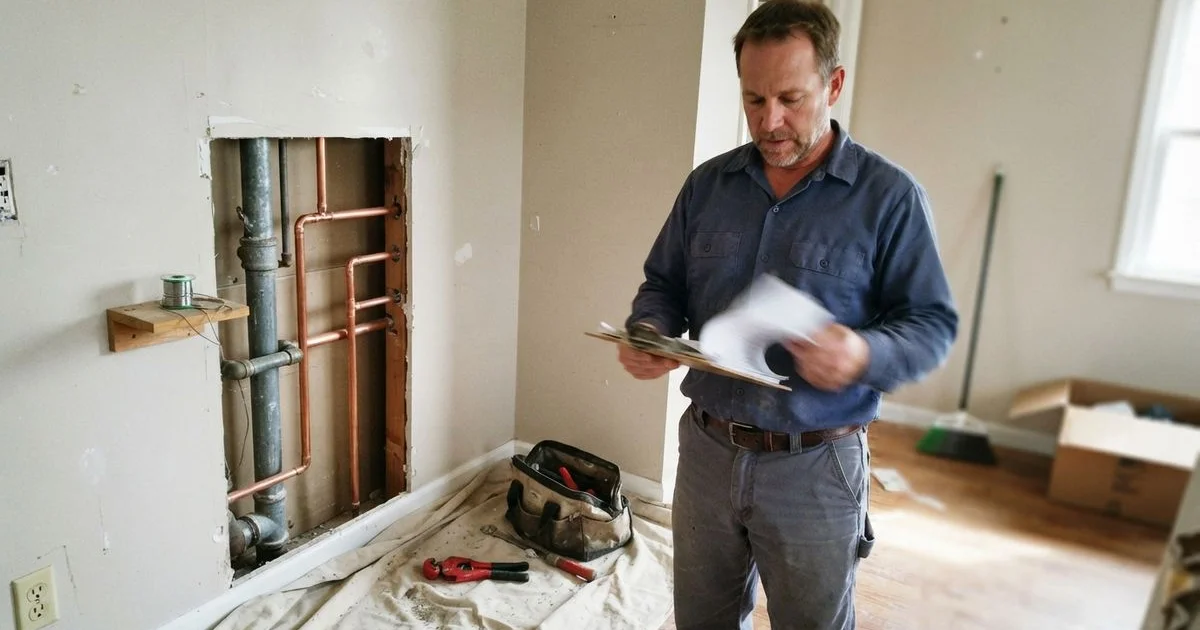
This is general information about how permitting and licensing typically work in South Carolina, not legal advice. Requirements vary by county and municipality, so confirm specifics with your local building department.
Permits and licensing aren’t the most exciting part of hiring a plumber, but skipping this step is one of the more common regrets homeowners describe after the fact, usually when they’re trying to sell a home or file an insurance claim involving unpermitted work.
When a permit is actually needed
Not every plumbing job requires one. Simple repairs, like fixing a leaking faucet, unclogging a drain, or replacing a toilet with a like-for-like model, generally fall outside permit requirements. Permits tend to apply once work changes the structure of the system: new water lines, repiping, water heater installation or replacement, sewer line work, or anything that involves altering the layout rather than repairing what’s already there.
Because requirements vary by county and municipality, the honest answer for any specific job is to ask your plumber directly whether it requires a permit, and to be skeptical of a contractor who brushes off the question rather than giving you a clear answer.
Why licensing matters beyond the paperwork
A license isn’t just a formality. It means the contractor has met the state’s requirements for training and liability coverage, and it gives you recourse if something goes wrong. South Carolina’s Department of Labor, Licensing and Regulation maintains the state’s contractor licensing records, including for plumbing work, and a legitimate business should have no issue sharing their license number.
| What to verify | Why it matters | How to check |
|---|---|---|
| Active plumbing license | Confirms the contractor meets state training and liability requirements | Ask for the license number and verify it independently, don’t just take their word |
| Insurance and bonding | Protects you if something goes wrong on the job | Ask for proof, particularly for larger jobs like repiping or water heater replacement |
| Permit pulled under the contractor’s license | Ensures the work is inspected and properly documented | Confirm before work begins, not after |
| Gas-specific licensing for gas line work | Gas work often requires additional certification beyond general plumbing | Ask specifically if the job involves gas lines |
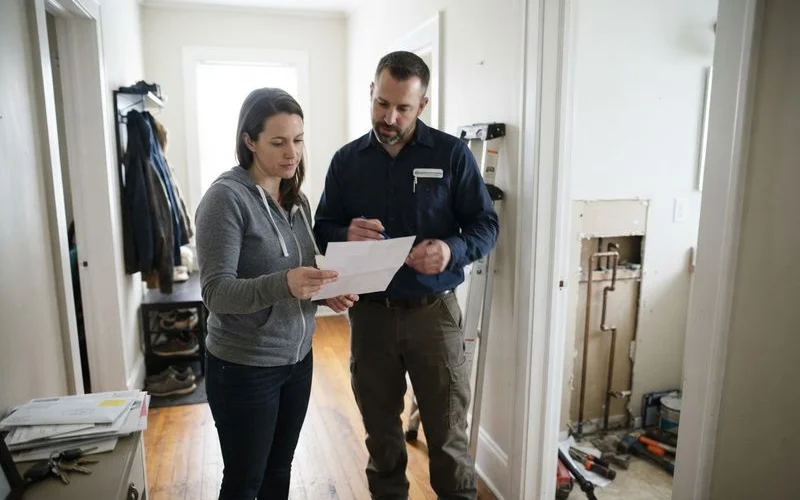
Gas line work carries its own layer of rules on top of general licensing; see backflow prevention and gas line rules in South Carolina for what’s required specifically there.
What happens if work skips this step
Unpermitted work doesn’t usually cause an immediate problem. The trouble shows up later, most often during a home sale, when an inspector flags work that doesn’t match permit records, or during an insurance claim, when an insurer questions whether damage stemmed from work that wasn’t properly inspected. At that point, correcting it can mean opening up finished walls or floors to bring the work up to code retroactively, which costs more than getting the permit would have in the first place.
A reasonable approach for homeowners
You don’t need to become an expert in local code to protect yourself. Ask direct questions before work starts: does this job need a permit, will you be pulling it, and can you provide your license number. A plumber who answers these plainly and without hesitation is behaving normally. One who deflects or suggests skipping the permit to save time or money is a real warning sign, not a helpful shortcut.
Keep a copy of the permit and any final inspection sign-off in a folder with your other home records, alongside the plumber’s invoice and license number. This takes a few minutes and matters far more than it seems to at the time. If a future buyer’s inspector or your own insurer ever questions a piece of plumbing work, being able to hand over documentation on the spot resolves the question far faster than trying to track down records years later.
If you’re renovating rather than doing a single repair, it’s worth having this conversation with your general contractor too, not just the plumber, since responsibility for pulling permits on a larger project can get blurry between trades. Confirm in writing who’s responsible for which permits before work starts, rather than assuming it’s covered.
Our scoring methodology explains how licensing and verification factor into how we evaluate the plumbers listed on the home page, since a properly licensed and permitted job protects you well past the day the work is finished.
Questions people ask
- Does every plumbing repair need a permit?
- No. Minor repairs like fixing a leaky faucet, replacing a toilet, or clearing a clog typically don't require one. Permits generally come into play for new installations, repiping, water heater replacement, or work that changes the structure of the system.
- How do I check if a plumber is actually licensed in South Carolina?
- South Carolina's Department of Labor, Licensing and Regulation maintains licensing records for contractors. A legitimate plumbing business should be able to provide a license number on request, and you can verify it through the state rather than taking their word for it.
- Who pulls the permit, me or the plumber?
- Typically the licensed contractor pulls the permit as part of the job, since it's tied to their license. Be cautious of any contractor who asks you to pull the permit yourself for work they're performing, since that can be a sign they're trying to avoid using their own license.
- What happens if work was done without a required permit?
- It can become a real problem later, particularly when selling a home. Unpermitted work may need to be inspected, corrected, or disclosed, and it can complicate a sale or an insurance claim tied to that area of the plumbing.