
Health risks of a sewage backup and how to stay safe during cleanup
By Sofia Tan · Updated 2026-07-03
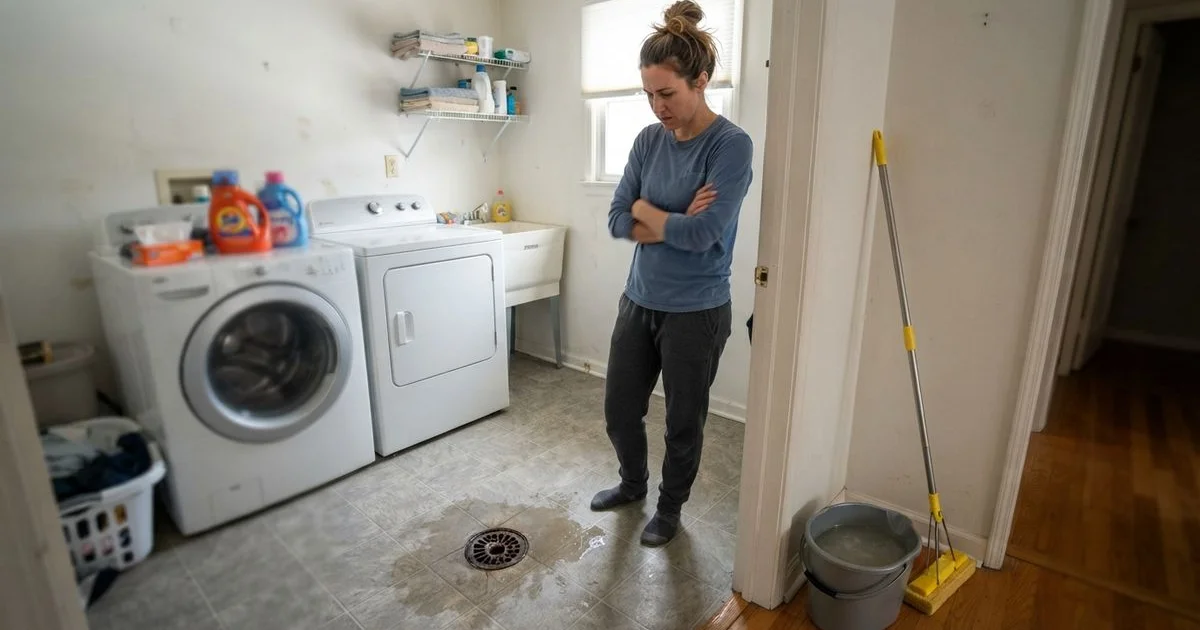
This is general safety information, not medical advice. If you or a household member develops symptoms after exposure to a sewage backup, contact a healthcare provider.
A sewage backup is different from an ordinary plumbing problem in one important way: the danger is the water itself, not just the mess it leaves behind. Wastewater carries bacteria, viruses, and parasites that a normal spill doesn’t, and treating it like an ordinary mess to mop up is one of the more common mistakes people make.
Why this is a health issue first
Sewage contains organisms that can cause gastrointestinal illness, skin infections, and respiratory irritation, particularly from airborne particles as contaminated water is disturbed during cleanup. The risk is highest for young children, older adults, pregnant people, and anyone with a compromised immune system, but it’s a real concern for anyone in close, prolonged contact with the affected area.
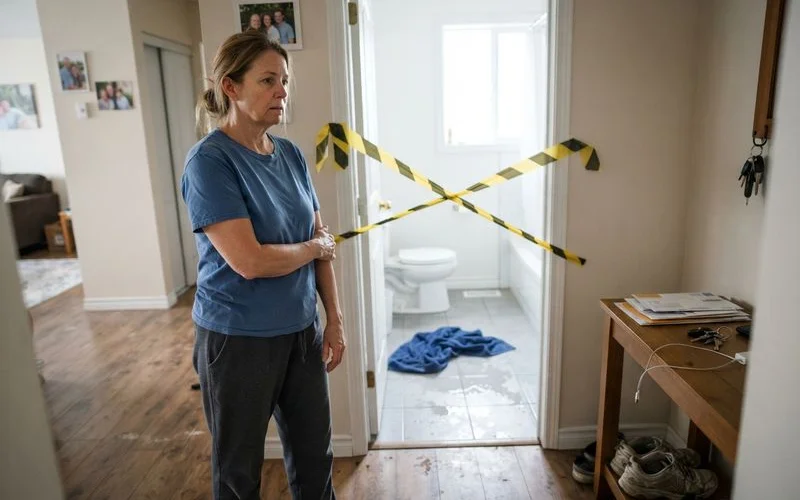
This is why the standard advice differs from a normal leak: instead of jumping straight into cleanup, the first move with any real sewage backup is containment and distance, not immediate action.
What to do first
- Keep people and pets out of the affected area. This matters even if the backup looks like clear water on the surface, since contamination isn’t always visible.
- Stop using every drain and toilet in the house, even the ones that seem fine. Continuing to use fixtures can push more waste into the backed-up area or worsen the underlying blockage.
- Ventilate if it’s safe to do so, opening windows or doors to reduce airborne concentration, without walking directly through the contaminated area to do it.
- Avoid touching contaminated water or surfaces with bare skin. If you must interact with the area at all before help arrives, wear gloves and avoid touching your face.
Small versus significant: how to tell the difference
| Situation | Reasonable approach |
|---|---|
| A toilet overflow with clear water, caught immediately | Basic cleanup with gloves, disinfectant, and good ventilation may be manageable |
| Standing water with visible waste or debris | Keep the area contained, avoid contact, bring in a professional cleanup crew |
| Backup affecting a finished basement or living space | Treat as significant regardless of how it looks, given the risk to flooring and drywall |
| Recurring backups in the same drain | This points to an underlying line issue that plain cleanup won’t fix |
After the visible mess is gone
The health risk doesn’t end when the water is gone. Porous materials, carpet, upholstered furniture, and drywall that contacted contaminated water generally can’t be fully disinfected and are usually safer to replace than to try to save. Anything that stays behind needs to dry all the way through, since trapped moisture in subflooring or wall cavities is a common source of mold that develops days after the original event.
Ventilate the area for longer than feels necessary, ideally with fans or open windows for a few days after cleanup, even once everything looks and smells normal. Surfaces that seem dry to the touch can still hold moisture underneath, particularly in a finished basement where flooring sits over concrete.
What to tell a cleanup crew or plumber
If you do bring in help, give them a clear picture up front: how long the water sat before it was addressed, whether it reached a finished living space, and whether this has happened before at the same drain. That history changes how they approach both the cleanup and the diagnosis, and it can save a repeat visit if the real cause turns out to be something they’d otherwise have to discover on their own.
Getting the underlying cause fixed
Cleanup addresses the immediate mess, but a sewage backup almost always has a specific cause, whether that’s a clog, a damaged main line, or root intrusion, and it’s worth having a drain cleaning specialist diagnose it properly rather than treating the symptom and hoping it doesn’t happen again. Our scoring methodology explains how we evaluate diagnostic thoroughness across providers listed on the home page, which matters here since a repeat backup means dealing with this same health risk again.
If a plumber recommends camera work to find the cause, what to expect during a drain cleaning or sewer camera appointment walks through how that visit typically goes. When the cause turns out to be the main line itself rather than a simple clog, sewer line repair and replacement covers what that bigger job involves.
Questions people ask
- Is it safe to clean up a sewage backup myself?
- For a small amount of clear-water backup, basic cleanup with gloves and proper disinfection may be manageable. For anything involving visible waste, standing water, or a larger area, it's safer to keep people and pets away and bring in a professional, since wastewater carries bacteria and pathogens that ordinary cleaning doesn't reliably handle.
- What symptoms should I watch for after exposure?
- Gastrointestinal symptoms, skin irritation, or respiratory irritation after contact with sewage-contaminated water or air are worth mentioning to a doctor, particularly for children, older adults, or anyone with a weakened immune system.
- Can a sewage backup cause mold, even after it's cleaned up?
- Yes, if moisture remains in flooring, drywall, or subflooring after the visible mess is gone. Thorough drying below the surface, not a quick wipe-down, is what actually prevents mold from developing in the days after a backup.
- Should I throw away items that got wet during a sewage backup?
- Porous items, like carpet, upholstery, and drywall, that contacted contaminated water generally can't be safely disinfected and are usually better replaced. Hard, nonporous surfaces can typically be cleaned and disinfected.