
Plumbing checklist before you sell your house in Aiken
By Sofia Tan · Updated 2026-07-06
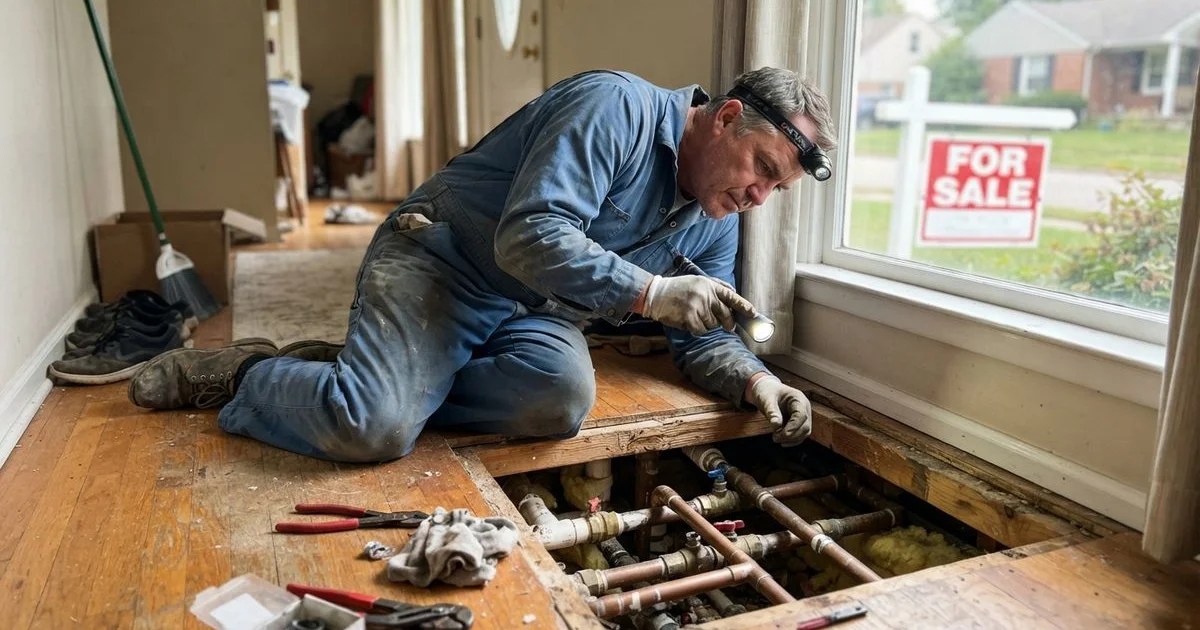
Plumbing issues are one of the more common things that surface during a home sale, not because sellers are hiding problems, but because a buyer’s inspection looks harder at things day-to-day living doesn’t. Getting ahead of the obvious items before you list can prevent a surprise renegotiation later.
What inspectors actually check
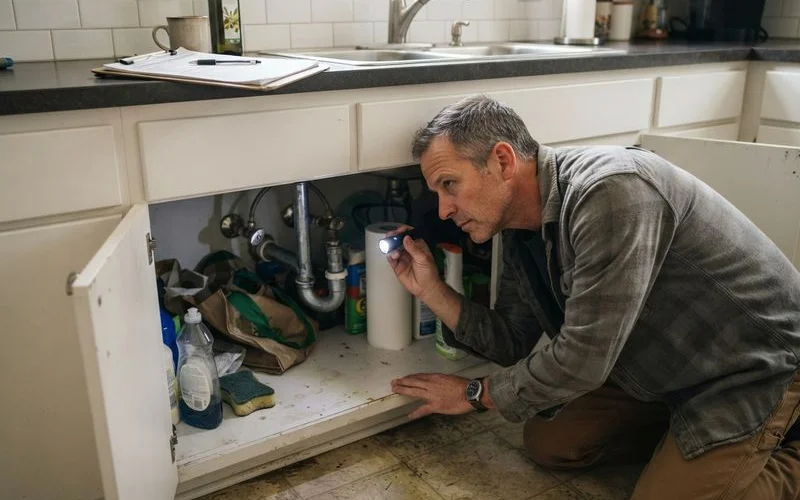
A standard home inspection runs water at multiple fixtures, checks for visible leaks under sinks and around the water heater, tests drainage speed, and looks at exposed pipe condition wherever it’s accessible. It’s not usually a deep diagnostic, but it’s thorough enough to catch the issues that matter most to a buyer.
- Active leaks, even small ones, under sinks, around the water heater, or near visible pipe joints
- Water heater age and condition, often estimated from the manufacture date on the unit
- Water pressure and drainage speed at multiple fixtures
- Visible pipe material, particularly any remaining galvanized steel in an older home
- Signs of past water damage, like staining or warped flooring, even if the underlying issue was already fixed
Fix now versus disclose and price accordingly
| Issue | Reasonable approach |
|---|---|
| A slow drain or minor leak under a sink | Fix before listing, it’s inexpensive and avoids an easy negotiating point |
| An aging water heater near the end of its typical lifespan | Consider replacing, or price the home accounting for it and disclose clearly |
| Older galvanized pipe sections still in use | Disclose rather than rushing a full repipe before selling, unless it’s actively failing |
| A history of a repaired leak with no ongoing issue | Disclose the history with documentation of the repair, rather than treating it as hidden |
| Low water pressure throughout the house | Worth diagnosing before listing, since buyers notice it immediately during a walkthrough |
Small, cheap fixes are almost always worth handling before you list. A dripping faucet or a slow bathroom drain costs little to fix and removes an item a buyer’s inspector will otherwise flag, one that can loom larger in negotiations than the actual repair cost justifies. Bigger structural issues, like old pipe material throughout the house, are usually better handled through honest disclosure and pricing than a rushed, incomplete fix right before closing.
Where a pre-listing plumbing check helps most
For a home over 30-40 years old, or one where you’re not confident about the plumbing’s condition, a dedicated check from a residential plumbing provider before listing can surface issues while you still have time to address them calmly, rather than under the pressure of a buyer’s inspection deadline. This is different from the general home inspection buyers will order themselves. A plumber looking specifically at the system can flag things a generalist inspector might miss or describe only briefly.
What buyers tend to focus on
Buyers and their agents pay close attention to water heater age, any sign of past water damage, and pipe material in older homes, since all three affect near-term costs a new owner might face. Being upfront about these rather than hoping they go unnoticed tends to lead to smoother negotiations than a buyer discovering something during their own inspection that wasn’t mentioned.
A reasonable timeline for the work
Give yourself a few weeks before listing if you can, rather than scheduling a plumbing check the same week you plan to go live. This gives you room to actually complete small fixes, get a second opinion if something bigger turns up, and gather documentation for anything you plan to disclose rather than fix. A pre-listing check done the day before photos are taken puts you in a rushed position if it finds something real.
Keep receipts and any written diagnosis from repairs you do make. Buyers and their agents respond better to a folder of documented, completed work than a verbal assurance that “it’s all been taken care of,” and it gives you something concrete to point to if a buyer’s own inspector raises a question about something you already addressed. If any of that documented work involved preparing the home for a hard freeze, our guide to preparing pipes for a South Carolina cold snap is worth mentioning too, since buyers notice proactive maintenance as much as completed repairs.
Our scoring methodology explains how we evaluate thoroughness and honest diagnosis across the plumbers listed on the home page, which is worth checking before you hire anyone for a pre-listing plumbing review.
Questions people ask
- Do I need a plumbing inspection before listing, or just the standard home inspection?
- A standard home inspection covers plumbing at a general level, checking for obvious leaks, water pressure, and visible pipe condition, but it won't diagnose deeper issues the way a plumber's dedicated inspection would. For an older home or one with known issues, a separate plumbing check before listing can prevent surprises during the buyer's inspection.
- Will a buyer's inspector notice small issues like a slow drain?
- Yes, often. Inspectors run water at multiple fixtures and check drainage as a standard part of the process, so a slow drain that's easy to ignore day to day is likely to show up on the report.
- Should I fix everything the inspection might flag, or just disclose it?
- It depends on the issue. Small, inexpensive fixes are usually worth handling before listing so they don't become a negotiating point. Bigger issues, like an aging water heater or old pipe material, are often more honestly handled through disclosure and pricing than a rushed fix right before selling.
- Does an old water heater actually affect a sale?
- It can. Buyers and inspectors both note water heater age, and a unit near the end of its typical 8-12 year lifespan is a common item buyers ask sellers to address or credit toward closing.